Add Row
Add Element
Pet Care Authority
Add Element
  • Home
  • Categories
    • Grooming & Hygiene
    • Adoption & Rescue
    • Products & Reviews
    • Health & Wellness
    • Nutrition & Diet
    • Training & Behavior
    • Lifestyle & Fun
    • Safety & Emergency Care
    • Trending Pets
March 19.2025
3 Minutes Read

Transform Your Pet into a Billboard Star and Boost Adoption Awareness!

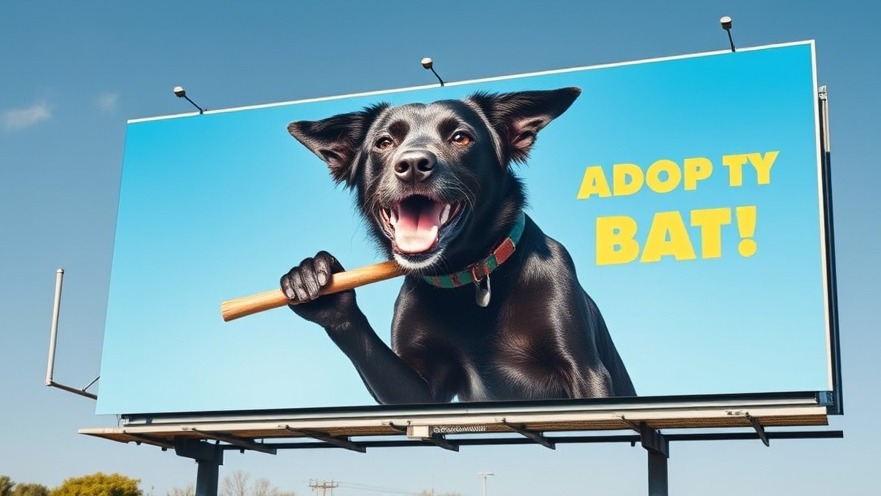
Vibrant billboard with a joyful black dog promoting pet adoption initiatives against a clear blue sky.


Spotlighting Pets for a Purpose

In a unique initiative that combines pet love with community engagement, Homeward Pet Adoption Center invites pet owners to make their furry family members the center of attention through billboards. Inspired by Luna, a former billboard star, this program gives pet owners a chance to celebrate their pets by featuring them in high-visibility locations across the community.

What Does It Take to Make Your Pet a Star?

For a $2,500 donation, pet owners can have their beloved animals photographed professionally and displayed on a local billboard for an entire month. This investment doesn’t just give your pet a moment in the limelight but also plays a significant role in the mission of Homeward Pet, which aims to boost adoption rates by increasing visibility for shelter animals. It’s a creative way to celebrate milestones like birthdays while contributing to a cause that saves lives.

The Impact of Billboard Campaigns on Animal Adoption

Homeward Pet isn’t the only organization utilizing the power of billboards to raise awareness about pet adoption. Various campaigns, like those organized by START RESCUE in California, highlight the urgent need for animal adoptions in a landscape where shelters are often overwhelmed. With millions of animals entering shelters every year and high euthanasia rates, billboard campaigns have proven effective in reaching potential adopters. For instance, START RESCUE’s lobbying resulted in over 30 billboards promoting adoptions, delivering millions of impressions and encouraging local communities to adopt rather than shop.

Why Billboards Are an Effective Tool for Rescue Organizations

Billboard advertising is a potent medium that brings crucial awareness to animal welfare issues. Not only do these platforms attract attention due to their size and location, but they're also relatively inexpensive compared to other advertising avenues. Start Rescue’s campaign showcases this potential, where they managed to reach millions at a fraction of the usual cost through community partnerships. These efforts illustrate how grassroots initiatives can make significant strides toward tackling the overpopulation crisis in shelters.

What Every Pet Owner Should Know About Supporting Animal Welfare

The heart of the matter lies in understanding the role that individual pet owners can play in preventing the overcrowding of shelters. Simple actions such as adopting from shelters, fostering animals, and promoting spay/neuter programs can collectively create an influential impact. Participation in initiatives like the Homeward Pet billboard campaign not only celebrates your pet's individuality but also contributes to fostering a culture of compassion toward all animals in the community.

Engaging Communities to Reduce Euthanasia Rates

Efforts to couple community engagement with animal welfare are critical. Both Homeward Pet and START RESCUE demonstrate that creating partnerships between organizations and local businesses can propel awareness and support upwards. Donations made through billboard campaigns have the potential to help fund essential rescue operations, thereby adding to the number of animals saved. As each billboard features a joyful pet, it inspires viewers to take part in a critical conversation regarding animal rescue and adoption.

Celebrate Your Pet’s Stardom

Participating in the billboard initiative offers an excellent opportunity for pet owners to celebrate their pets with the potential to save other animals’ lives in the process. By investing in your pet's billboard moment, you're also spreading the vital message of adoption and community support. Whether it’s to honor a special occasion or just to showcase your beloved pet, taking part in this initiative is a delightful way to bring people and pets together.

So, why not help your pet shine on a billboard? Your furry friend has the potential to brighten many lives while also being a beacon for others in need of loving homes. After all, adopting a pet can change not just that animal's life, but also the life of its new family.

Join the Movement!

To learn more about how to make your pet a star and help promote adoption in your community, visit Homeward Pet's website today!


Adoption & Rescue

Write A Comment

*
*
Related Posts All Posts
02.12.2026

Is Your Cat Sad? Learn How to Recognize Their Emotional Signs

Update Understanding Feline Emotions: The Subtle Signs of a Sad Cat As a devoted cat parent, it can be disheartening when our feline friends show signs of emotional distress. Unlike dogs, cats are masters of hiding their feelings, often exhibiting sadness through subtle shifts in behavior and body language. This nuanced communication can be challenging for pet owners and even seasoned veterinarians to decipher. However, understanding these signs is key to ensuring your cat’s emotional well-being and maintaining their overall health. Recognizing Changes in Behavior One of the first areas to monitor when assessing a cat’s emotional health is their behavior. While a solitary change may not be alarming, a combination of shifts can indicate that something is amiss. For instance, if your cat starts to hide more than usual, retreating to quiet corners, it may suggest they are feeling overwhelmed. Sleeping excessively or at unusual hours might also be a coping mechanism, allowing them to escape from an uncomfortable situation. Additionally, take note if your cat shows less interest in activities they once loved. Loss of enthusiasm for play, avoiding interaction with people or other pets, and decreased curiosity about their surroundings can signal an emotional downturn. Cats thrive on routine, so any significant deviation from their normal behavior warrants a closer look. Appetite Changes: A Key Indicator A shift in a cat's appetite can be another critical hint of their emotional state. Cats may eat less due to feelings of sadness or stress, skipping meals, or becoming unusually picky about their food. Conversely, some may turn to food as a comfort measure, leading to overeating. These behaviors are not merely about feeding preferences; they often reflect deeper emotional struggles. The Language of Sound: Vocalization Insights Vocalization also plays a significant role in understanding your cat’s feelings. If your typically chatty feline becomes unusually quiet or starts making low, mournful sounds, it is worth investigating. Excessive crying, especially at night, can be a manifestation of anxiety or loneliness. Paying attention to these vocal cues can provide insights into your cat's emotional health. Body Language Matters Body language is an often overlooked but vital component of feline communication. A cat’s physical posture can reveal much about their emotional state. For example, flattened ears, a tucked tail, or a slouched posture can indicate fear or discomfort. Additionally, dilated pupils may signal anxiety. Observing grooming habits is also essential; over-grooming can lead to bald patches while neglecting grooming altogether might reflect a cat’s emotional withdrawal. When Sadness Masks Medical Issues It's crucial to remember that emotional sadness in cats can often masquerade as medical conditions. Changes in behavior or appetite may stem from underlying health issues, such as thyroid problems or dental disease. Therefore, if your cat exhibits signs of sadness along with physical changes, a visit to the veterinarian is vital to rule out medical concerns. Creating a Supportive Environment As cat parents, it’s our responsibility to foster an environment that prioritizes our pets’ emotional wellness. This can include maintaining a consistent routine, engaging in regular playtime, and providing safe spaces for them to retreat. Introduce enriching activities, such as puzzle toys or interactive play, to stimulate their minds and prevent boredom-related sadness. According to veterinary experts, social interaction and mental stimulation can significantly enhance a cat’s emotional health. Whether it's through interactive play, providing vertical spaces to explore, or simply spending quality time together, the bond you share can uplift your cat’s spirits. Conclusion: Actively Support Your Cat's Emotional Well-Being By learning to recognize the signs of sadness in cats and creating a supportive environment, you can play a crucial role in your feline’s emotional health. If you notice a combination of distress signals, don’t hesitate to seek professional advice. Remember, your proactive steps can help prevent any potential issues from escalating to more serious health concerns. Are you concerned about your cat's well-being or looking for more ways to nurture their happiness? Reach out to local shelters or veterinary professionals for guidance, as they can provide insights tailored to your cat's unique needs.

01.20.2026

Why the Reality of Rescue in January Demands Community Action

Update Rescue Realities: More Than Just a Monthly Cycle As January kicks off a brand new year filled with hopes and resolutions, it often brings about a unique challenge for animal rescue organizations. While many people embrace the idea of new beginnings, the realities of animal rescue do not reset with the calendar. This time of year often sees an influx of abandoned pets as holiday adoptions dwindle, and shelters become overwhelmed with animals once again. Why January Is a Challenging Time for Rescues The festive season often hides the harsh truth of pet ownership responsibilities. Many individuals and families impulse-adopt pets during the holidays, only to realize they cannot provide the ongoing care and commitment that pets require. January, therefore, can become a month of reckoning for abandoned and neglected animals. Moreover, it's a time when many shelters notice their resources becoming strained. With the surge in animals needing care, the demand for foster homes, volunteers, and donations significantly increases. Rescuers must navigate these challenging waters while ensuring each animal receives the love and attention it deserves. The Emotional Toll on Animals and Rescuers For animals, the shift from a hopeful holiday home to a shelter can be traumatic. Pets may experience anxiety and confusion, impacting their behavior and chances of adoption. And for the dedicated rescue workers, witnessing this cycle takes a toll as well. The emotional weight of knowing that many animals may face prolonged stays in shelters can lead to burnout. It underscores the need for a supportive community that enables rescues to thrive. Counteracting the January Jolt: Community Engagement Is Key The path to alleviating these issues lies within community engagement. By reminding potential pet owners of the long-term commitment involved with pets, rescues can create a more informed adoption process. Engaging educational programs, support networks, and awareness campaigns during January can counteract the influx of abandoned pets. Communities can come together to volunteer at local shelters, donate supplies, and spread the word about adoption. The power of social media should not be underestimated here; sharing stories about rescue pets can inspire others to reconsider adopting this month or to make informed decisions about pet ownership. Looking Ahead: Hope for the Future While January can be a challenging month, it also serves as a time for reflection and hope. Rescuers can implement new strategies based on the lessons learned from previous years and plan outreach efforts that could lead to fostering and adopting success stories. Animal welfare organizations that maintain lists of resources for prospective pet owners provide valuable insights that can ease the adoption journey. With consideration and commitment from the community, each puppy rescued or adopted can ripple through families, creating lasting joy. If this month can become an opportunity for education and awareness, it could transform into a foundation for future adoptions. Inspiration from the Animal Advocacy Community Real-life anecdotes from those who've navigated the rescue journey resonate deeply. Many adopters share transformative stories about how their pets have changed their lives, highlighting the bond between humans and animals. Inspirational tales of resilience and recovery encourage others to take action, whether it be through adoption, fostering, or simply spreading the word. Steps You Can Take to Help To wrap up, there are several proactive steps you can take to help local shelters and rescues during this challenging time: Volunteer: Offer your time to help with feedings, walks, and socializing with animals. Foster: Provide a temporary home for pets during the transition period. Advocate: Spread the word about adoption options and share stories on social media. Donate: Supplies, funds, or even your services can help rescues during this busy season. Be Informed: Educate yourself and others on responsible pet ownership and rescue operations.

01.09.2026

How a $40,000 ASPCA Grant Will Boost the Foster Program and Save Animals

Update The Importance of Fostering Pets: Caring Beyond the Shelter Fostering animals offers an invaluable opportunity for both the pets and foster families. These temporary homes provide a nurturing environment that is essential for animals that struggle with the busy and often stressful atmosphere of a shelter. The Homeward Pet Adoption Center understands this need deeply, as seen with its recent $40,000 grant from the ASPCA to bolster its foster program. With this funding, they can expand their capacity to care for animals in need, ensuring each pet gets the individualized attention necessary for their well-being. Understanding Fear Free Sheltering Practices Homeward Pet is at the forefront of adopting Fear Free Sheltering practices—a compassionate approach that emphasizes reducing stress for all animals in their care. This initiative limits the duration pets spend in shelters, allowing them to maintain their emotional and physical health. By maximizing the use of foster homes, they not only improve the lives of these animals but also facilitate higher live-release rates, contributing to a community where pets can thrive. Expanding Foster Capacity for Diverse Needs The grant from the ASPCA will play a critical role in expanding the number of specialized foster homes aimed at supporting animals with complex medical and behavioral needs. This kind of strategic growth not only helps save lives but also strengthens the fabric of the animal welfare community, bridging the gap between shelters and loving forever homes. By enhancing training for foster volunteers, Homeward Pet is ensuring that every foster experience can be beneficial for both the animal and the caregiver. Connecting With the Community: Benefits of the Foster Program For pet owners and enthusiasts, the importance of fostering animals goes beyond the act of providing temporary care. It allows families to connect with animals at different life stages, facilitating deeper bonds and understanding. Whether it’s hosting a puppy or nursing a recovering animal, fosters help dispel common myths about shelter animals, showcasing that they can be wonderful companions. The Homeward Pet Adoption Center is encouraging more community members to consider this rewarding experience. A Sustainable Future for Animal Welfare With animal welfare issues evolving, organizations such as Homeward Pet Adoption Center play a pivotal role in shaping a sustainable future for rescue pets. Funding from initiatives like the ASPCA National Shelter Grants is a stepping stone toward implementing innovative strategies that ensure continued care and compassion for vulnerable animals. This not only enhances the lives of the animals but also fosters trust and accountability within the community. Get Involved: Become a Foster Volunteer Are you inspired by the mission of Homeward Pet Adoption Center? Becoming a foster parent can enrich your life and provide a much-needed haven for pets in transition. As a foster, you provide care, love, and support, giving an animal the chance to adapt to a home environment while waiting for adoption. It’s an act of kindness that could change someone’s life! For more information about how to get involved or to learn about the ongoing initiatives at Homeward Pet, visit Homeward Pet's website today. Together, we can build a community where every animal has the chance for a better life.

Terms of Service

Privacy Policy

Core Modal Title

Sorry, no results found

You Might Find These Articles Interesting

T
Please Check Your Email
We Will Be Following Up Shortly
*
*
*