Add Row
Add Element
Pet Care Authority
Add Element
  • Home
  • Categories
    • Grooming & Hygiene
    • Adoption & Rescue
    • Products & Reviews
    • Health & Wellness
    • Nutrition & Diet
    • Training & Behavior
    • Lifestyle & Fun
    • Safety & Emergency Care
    • Trending Pets
July 10.2025
3 Minutes Read

The Surprising Benefits of Pumpkin for Dogs That Pet Owners Should Know

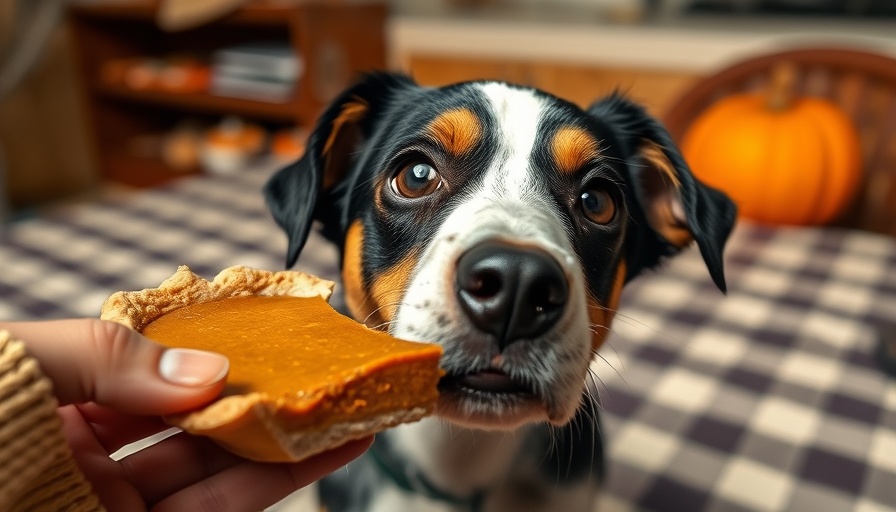
Curious dog sniffing pumpkin pie indoors, can dogs eat pumpkin?

Can Dogs Safely Enjoy Pumpkin? Here’s What You Should Know

Every fall season, pumpkins become a staple in our diets—in pies, lattes, and even soups. But have you ever wondered if your beloved furry friend can enjoy pumpkin too? Spoiler alert: they can! When prepared correctly, pumpkin can be a tasty and healthy treat for dogs. Let's explore why pumpkin is beneficial, how to serve it, and what precautions to take when sharing this popular ingredient with your pet.

Nutritional Benefits of Pumpkin for Dogs

Pumpkin is packed with beneficial nutrients for your dog. This vibrant orange vegetable is high in dietary fiber, which helps regulate digestion. This means that for pups experiencing mild constipation or diarrhea, adding a spoonful of pureed pumpkin to their meals can provide relief.

In addition to fiber, pumpkin is also rich in vitamins such as A, C, and E—along with minerals like potassium and iron. These nutrients support overall health, from immune function to skin and coat health. For your dog, this translates to a happier tummy and a shinier coat.

How to Feed Pumpkin to Your Dog

When it comes to feeding your furry friend pumpkin, preparation is everything. The safest options include plain, cooked pumpkin or 100% canned pumpkin without any added sugars or spices. Both these options can be tasty additions added to their routine meals. If you decide to make it at home, opt for sugar pumpkins rather than the larger carving types, as they have a smoother texture that’s easier for dogs to digest.

However, always avoid feeding your dog raw pumpkin, as it can be tough on their digestive system. Also, steer clear of pumpkin pie filling—you wouldn't want to introduce hazardous ingredients like xylitol or nutmeg to your pup's diet, as they can be toxic to dogs.

Are Pumpkin Seeds Safe for Dogs?

Believe it or not, pumpkin seeds are also safe for your pup! These seeds are not just tasty; they’re nutritious too. They’re known to contain zinc, magnesium, and copper, which offer benefits to a dog's health, although they should be served in moderation. You can feed them the seeds either shelled or unshelled, but make sure to introduce them slowly into their diet to see how they react.

When to Consult Your Veterinarian

Every dog is unique, with different health needs and dietary restrictions. Always check with your veterinarian before introducing any new foods, including pumpkin. For instance, dogs with certain health conditions or those on specialized diets may not be suitable candidates for pumpkin treats. A quick conversation with your vet can ensure making the best choices for your furry family member.

Crafting Homemade Pumpkin Treats

If you’re feeling adventurous, why not try making some homemade pumpkin treats for your dog? Using pureed pumpkin, you can whip up muffins or biscuits that are both nutritious and delicious! Just remember to incorporate dog-safe ingredients—no sugar or chocolate, please!—and your dog will be tail-wagging happy when they see what you’ve prepared just for them.

Conclusion

In summary, pumpkin can be a wholesome treat for dogs when it's prepared and served correctly. From promoting digestive health to being a nutritious topper for meals, incorporating pumpkin into your dog’s diet can benefit many aspects of their health. Always remember to start slow and consult your veterinarian for advice tailored to your pup's health needs.

So, as the seasons change and pumpkins abound, don't forget that your furry companion can join in on the fun too! Why not venture into making your own pumpkin treats or adding a bit of pumpkin to their food? Your dog deserves the best, and keeping their diet varied and exciting can enhance their overall well-being.

Health & Wellness

Write A Comment

*
*
Related Posts All Posts
12.18.2025

Why Some Dog Breeds Are More Prone to Arthritis: Insights and Care Tips

Update Understanding Arthritis in Dogs Dogs, much like humans, can suffer from arthritis—a degenerative joint disease that causes pain and inflammation. As pet owners, it’s heartbreaking to see our furry friends struggle with mobility. To effectively approach this condition, we must first understand why certain breeds are more susceptible than others. Factors such as genetics, weight, nutrition, and activity levels all play significant roles in the development of arthritis. The Role of Genetics and Size Some dog breeds have inherent genetic predispositions to conditions that may lead to arthritis. For instance, larger dogs like German Shepherds and Great Danes are more likely to experience hip dysplasia, which can result in joint instability and, eventually, arthritis. According to veterinary experts, the common issue in these breeds can often be traced back to the selective breeding practices aimed at enhancing certain physical traits, resulting in structural weaknesses that can exacerbate joint issues. It isn't just limited to large breeds; smaller dogs like Dachshunds can also face unique challenges due to their body structure that predisposes them to joint problems. Arthritis Symptoms to Watch For The symptoms of arthritis can manifest gradually. Early signs may include reluctance to play, limping, or difficulty in getting up after resting. As pet owners, it is crucial to be observant of any changes in our dog's behavior, as late detection can significantly impact treatment effectiveness. This highlights the importance of regular vet check-ups to keep an eye on potential warning signs. By knowing the specific breeds susceptible to arthritis, such as Labrador Retrievers, Golden Retrievers, Rottweilers, and Bulldogs, pet owners can take proactive steps. Practical Tips for Prevention To mitigate arthritis risk, several strategies can be implemented: Maintain a Healthy Weight: Excess weight can exacerbate joint stress. Ensuring a balanced diet with the right portion sizes is vital in keeping your dog healthy. Encourage Low-Impact Exercise: Regular exercise is necessary, but it should be low-impact. Activities like walking and swimming can keep your dog agile without putting undue stress on their joints. Utilize Joint Supplements: Veterinary-approved supplements like glucosamine or omega-3 fatty acids can help support joint health. Modify Home Environments: Simple changes such as adding ramps or providing supportive sleeping areas can make a big difference in your dog’s quality of life. Stay Vigilant: Watching for any signs of discomfort during normal activities will help detect early stages of arthritis, allowing for timely intervention. Preparing for Different Breeds Understanding the specific susceptibilities of dog breeds can greatly inform a pet owner’s preventive care strategy. For example, Labrador Retrievers are not only prone to obesity, which adds pressure to their joints but also have genetic issues that can lead to arthritis. Similarly, Rottweilers, known for their muscular builds, need careful weight management to avoid joint degeneration. On the other end of the spectrum, Dachshunds, despite their size, have back and joint issues that require attention as they age. Being informed of these issues allows owners to structure care plans tailored to their pet's unique needs. Conclusion: The Importance of a Proactive Approach Pets depend on us for care, and understanding their vulnerabilities can significantly improve their quality of life. By monitoring their behavior, maintaining a healthy lifestyle, and ensuring regular vet visits, owners can take significant steps to prevent or manage arthritis. Early intervention can often lead to a better prognosis, so stay vigilant and proactive in your approach to canine joint health.

12.17.2025

Understanding Curb in Horses: Symptoms, Treatment, and Prevention

Update What Is Curb in Horses? Curb is a condition that refers to the swelling and thickening of various ligaments and tendons on the back of a horse's hock. This term originally specified the thickening of the long plantar ligament, but it now covers multiple affected structures, including the deep digital flexor tendon and the superficial digital flexor tendon. Horses, particularly those involved in racing or high-impact activities, are more susceptible to this condition. Recognizing the Symptoms of Curb Horse owners should be vigilant in watching for the signs of curb. Common symptoms include localized swelling that appears firm rather than soft, heat in the affected area, and oftentimes a change in the horse's gait. A horse with curb may rest its affected limb by standing on its toe, which can signal discomfort and the onset of lameness. While minor swelling without lameness could indicate curb, pronounced swelling might point to a more serious injury. Diagnosis: The Veterinarian's Role If symptoms are observed, contacting a veterinarian is crucial. Diagnosing curb typically involves a physical examination, history taking, and sometimes diagnostic imaging such as ultrasound and X-rays. These tests help to determine the specific tissues involved in the injury, filtering out other potential issues. Exploring Treatment Options for Curb Fortunately, curb treatment is generally straightforward. Rest is the most effective remedy, with recovery times ranging from three to six months. Alongside rest, veterinarians may recommend anti-inflammatory medications like phenylbutazone to manage pain in the acute phase. Supportive therapies such as cold therapy and proper hoof trimming can significantly aid healing. Bandaging the hind limbs during recovery can also assist in reducing swelling. Prevention: Keeping Your Horse Healthy Preventing curb largely revolves around proper management and fitness maintenance. Horse owners should ensure that their horses receive regular farrier care to maintain healthy hooves, minimizing stress on the hind limbs. Additionally, conditioning horses for their specific discipline plays an essential role; keeping them fit to their level demands will reduce the risk of undue strain and injury. What Horse Owners Need to Know For prospective horse buyers, understanding curb is vital. Purchasing a horse that currently displays symptoms of curb may not be advisable, especially if lameness is present. However, if there’s no lameness, a thorough pre-purchase exam can still provide insights into the horse’s overall health and fitness for its intended use. Conclusion: Your Horse Deserves the Best Care Curb is a manageable condition if recognized early and treated appropriately. Keeping an eye on the signs and understanding risk factors related to your horse's discipline and conformation can serve as valuable tools in maintaining equine health. For dedicated horse owners, this knowledge not only protects their beloved companions but fosters a deeper bond based on care and understanding.

12.13.2025

Why Mental Health Support is Crucial for Veterinary Teams Today

Update Understanding the Emotional Toll on Veterinary Professionals The veterinary profession is often painted as a rewarding career where passionate individuals save the lives of beloved pets. Yet, the reality is a whirlwind of emotional and psychological challenges. Veterinarians and their teams are frequently exposed to the harsh realities of animal suffering, making their work both physically and mentally taxing. This is compounded by the pressures of long hours, high patient loads, and financial fears. It's not surprising that a staggering 82% of veterinarians face at least low to medium levels of burnout, and they experience alarmingly higher rates of exhaustion than the general working population. Changes in the Veterinary Landscape Post-Pandemic Since the COVID-19 pandemic, the mental health strains within the veterinary community have only intensified. With an increase in pet ownership, there has been a surge in demand for veterinary services but a corresponding shortage of qualified staff. This misalignment has put considerable stress on veterinary professionals, with many older veterinarians retiring and those remaining feeling the weight of larger patient loads. Veterinary teams now find themselves grappling not only with their patients’ needs but with their own mental health challenges as well. Breaking the Stigma Around Mental Health Historically, mental health has been a sensitive topic in the veterinary field, often shrouded in stigma. Fear of judgment from peers or clients can lead veterinarians to suffer in silence, further complicating their emotional wellbeing. However, recent years have seen a shift in this perspective, with more veterinary practices embracing open dialogues about mental health. Increasingly, veterinarians are recognizing the importance of seeking help; recent studies reveal that more practitioners are accessing counseling services, a vital step towards fostering a supportive workplace culture. Developing Supportive Clinic Cultures Creating a clinic environment that prioritizes mental health can significantly impact veterinary professionals' well-being. This entails establishing open communication channels where team members feel safe discussing emotional challenges without fear of stigma. According to the American Veterinary Medical Association, practices have observed that fostering such environments enhances job satisfaction and reduces turnover rates. Being proactive in this area is essential, as it creates a foundation for happy, productive teams who can provide the best care for their animal patients. Actionable Strategies for Mental Wellbeing For veterinary professionals battling mental health challenges, several effective strategies can help manage stress and improve overall wellbeing. It's imperative for professionals to regularly check in on their emotional state, set boundaries around working hours, and prioritize self-care practices like exercise and proper nutrition. Engaging with peers through support groups or forums can also alleviate feelings of isolation and empower them to share their experiences and coping strategies. Hope on the Horizon: Awareness and Resources The landscape of mental health awareness within veterinary practices is evolving favorably. Resources and support systems are becoming more abundant, aimed at addressing the emotional distress faced by veterinary professionals. With practices investing in employee assistance programs and mental health initiatives, there is a tangible improvement in addressing the psychological needs of veterinarians and their teams. The ongoing trend toward better work-life balance, supported by the introduction of programs aimed at combating burnout, offers promise for future generations in the veterinary field. Conclusion: Advocating for Mental Health in Veterinary Medicine The call to address mental health in veterinary medicine extends beyond individual practitioners; it reaches the core of veterinary practices and institutions. By normalizing discussions about mental health, creating supportive environments, and offering accessible resources, we can help ensure that the emotional burdens of this noble profession are met with compassion and understanding.

Terms of Service

Privacy Policy

Core Modal Title

Sorry, no results found

You Might Find These Articles Interesting

T
Please Check Your Email
We Will Be Following Up Shortly
*
*
*