Add Row
Add Element
Pet Care Authority
Add Element
  • Home
  • Categories
    • Grooming & Hygiene
    • Adoption & Rescue
    • Products & Reviews
    • Health & Wellness
    • Nutrition & Diet
    • Training & Behavior
    • Lifestyle & Fun
    • Safety & Emergency Care
    • Trending Pets
March 26.2025
3 Minutes Read

Uncover Vintage Pet Food Advertising Secrets and Their Impact on Industry Today

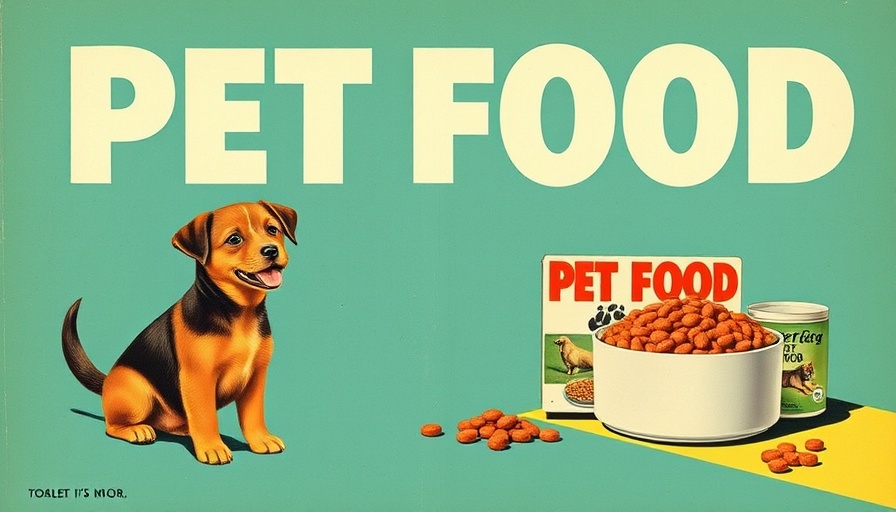
1960s vintage pet food advertisement with colorful design and bold text.

Recalling Pet Food Marketing Techniques Through the Ages

Pet food marketing has a rich history that reflects changing consumer perceptions, product ingredients, and advertising techniques. In the early 20th century, companies cleverly used strategies that not only promoted their products but also tapped into the emotional connections pet owners have with their animals. For instance, in the 1920s, Pooch Dog Food lured customers with a striking offer: send in 24 can labels, and receive six stylish metal coasters or ashtrays. This was a clever way to engage customers, subtly promising rewards for brand loyalty while advertising their products as a staple for beloved pets.

How Ingredients Have Evolved Over Time

On the ingredient front, the evolution has been just as noteworthy. The Chuck Wagon dog food ad from Purina touted “meat-like” chunks that transformed when water was added, promising dogs a taste experience that mimicked real food. Purina didn't shy away from stating that quality comes with a price, implying that the better the product, the higher the cost. Originally marketed for a higher class of dog food, this product set the standard for premium pet nutrition, even during an era when the perception of dry food was mixed.

Controversial Ingredients and Sourcing Practices

Meanwhile, brands like Friskies, which now caters predominantly to cats, were once centered on dog food that contained horse meat — a highly debated ingredient. The advertising claims emphasized that their product contained “twice as much nourishment” as competitors, which spoke to the growing trend among pet owners of seeing their pets as family members deserving of high-quality food. Despite contemporary backlash against questionable ingredients, these marketing gambits reflected a clear understanding of consumer desires for quality and value.

From Gravy to Gains: Unique Food Features

The advertising around Gravy Train illuminated pet food's evolution further, as the promotion of adding gravy to a dry dog food highlighted their unique product feature in a world dominated by dry kibble. This innovation not only enhanced flavor but also targeted pet owners’ emotional connections with their pets who they wanted to treat and please.

The Power of Branding: Celebrities and Recognition

Brands like Hill's have made significant strides in pet nutrition over the years. Their dog food labels historically revealed a composition that some might find unsettling but underscored the shift in marketing tactics. By publicly embracing ingredients that were “inspected and passed,” they instilled trust in their customers, which was essential in building a strong brand reputation. Furthermore, Purina capitalized on popular culture by linking their dog bowl to famous television shows like 'Leave It To Beaver,' illustrating how aligning products with positive public sentiments can amplify brand visibility.

Modern-Day Connections: Learning from the Past

As the pet food market continues to mature in response to consumer demand for healthy and natural products, many of yesterday’s marketing tactics remain relevant. The trend towards transparency in ingredient sourcing, as seen in Puss ‘n Boots cat food ads that claimed to use real fish, demonstrates a continuing focus on customer education. Today's brands are learning from their predecessors while adapting to current consumer concerns for ethical practices, such as sustainability and nutritious ingredients.

What Can We Learn from Vintage Advertising?

The historical backdrop of pet food advertising is a fascinating journey through marketing psychology, customer engagement, and ingredient evolution. From showcasing the significance of unique features like gravy-enhanced kibble to incorporating scientific elements in advertising, there’s much to learn about consumer inclinations. Ultimately, these marketing messages shaped the industry, lovingly crafting an image of pets as essential family members, deserving of the best possible care and nutrition.

As we move forward in the world of pet care, it's essential to reflect on past practices and continue to strive for transparency and integrity in the pet food industry, ensuring our pets get the nourishment they deserve.

Nutrition & Diet

Write A Comment

*
*
Related Posts All Posts
12.14.2025

How Pet Owners Can Effectively Support Dogs with Vestibular Disease

Update Understanding Vestibular Disease in Dogs: An Essential Guide for Pet Owners When dogs experience sudden balance issues, it can be terrifying for pet owners. Causing symptoms like dizziness, head tilting, and confusion, vestibular disease can strike any dog, but it’s especially prevalent among seniors. Understanding this condition is crucial for effective care and recovery. What is Vestibular Disease? The vestibular system, situated in the inner ear, is responsible for a dog's balance and spatial orientation. When disrupted, it can lead to two types of vestibular disease: peripheral and central. Peripheral vestibular disease most often stems from issues within the inner ear, such as infections or trauma, while central vestibular disease involves neurological disorders affecting the brain or brainstem. It’s essential to recognize that while central cases are more serious, peripheral cases, such as the common idiopathic vestibular syndrome in older dogs, often have better prognoses. Common Causes and Symptoms of Vestibular Disease The causes of peripheral vestibular disease are varied, including: Ear infections Head trauma Hypothyroidism Idiopathic (unknown reasons commonly found in older dogs) For central vestibular disease, the causes can include strokes or tumors. Symptoms can manifest quite suddenly, with signs including: Loss of balance Head tilt Circling or disorientation Nystagmus (rapid eye movements) Vomiting or nausea as a reaction to dizziness Why an Immediate Vet Consultation is Critical If you notice these symptoms in your dog, seek veterinary help immediately. Diagnosis typically involves a thorough neurological exam, and your vet may recommend diagnostic tests such as bloodwork or imaging to rule out other conditions. Correct diagnosis is critical, especially given how vestibular disease can mimic stroke symptoms. Emergency Signs and When to Act Be on guard for certain severe signs that indicate complications, such as: Facial drooping Inability to stand Severe vomiting These could point towards a more serious underlying condition demanding urgent intervention. Combining Conventional and Natural Treatments While veterinary treatment will focus on symptom management—often with anti-nausea medication and supportive care—there are several natural remedies that can aid recovery. Techniques that incorporate gentle approaches include: Providing omega-3 supplements to enhance nerve health Creating a calm space at home Offering soft, easily accessible food and water Gentle exercise and mobility support as they recover their balance Many dogs start showing improvement within a few days, but continue to monitor their progress and safety. Long-term Care and Recovery Recovery from vestibular disease often takes a few weeks, during which pet owners should ensure a safe environment for their recovering pets. Soft surfaces may not provide stability, while hard surfaces can often help dogs maintain their balance. Additionally, regular check-ins with the vet can help track clinical improvements. For dogs with a strong recovery focus, natural dietary adjustments and supportive supplements can help sustain their health. Ensuring a diet rich in essential nutrients while consulting with a veterinarian about potential food changes can lead to a more resilient pet. Incorporating supplements like omega-3s can provide neuroprotective benefits and assist in reducing inflammation. The Importance of Emotional Support As your pet navigates through vestibular disease recovery, emotional wellbeing is just as important as physical health. Dogs are incredibly perceptive and can pick up on their owner’s anxiety about health conditions. Offering a reassuring, calm presence, alongside routine and gentle exercises, can significantly aid their recovery and emotional state. Final Thoughts and Encouragement Vestibular disease can be alarming when it strikes, yet understanding, proper care, and compassion can significantly improve your dog's chances for a healthy recovery. Explore both veterinary and holistic options to empower yourself as a pet owner, while also being prepared to offer your furry friend the health support they need. Take proactive steps today—talk to your veterinarian and consider implementing natural remedies to give your dog the best chance at a swift and full recovery!

12.12.2025

How a New Human Food Lawsuit Reveals Risks in Pet Food Safety

Update Unpacking the Legal Ties Between Human and Pet Food SafetyThe recent lawsuit filed in California is a wake-up call regarding the hidden dangers of ultra-processed foods (UPFs). This legal battle highlights a critical concern not just for human consumers, but also for pets, as many of the same issues surrounding food safety and marketing tactics echo across both industries.The Parallel Concerns of UPFsAs mentioned in the lawsuit, the conversation began in 1999 when Michael Mudd, a former executive at Kraft Heinz, openly expressed his concerns about UPFs. He warned that these products were not merely unhealthy but designed to be addictive and harmful to the public. The discourse hasn't changed much over the years, reflecting a disturbing disregard for consumer health that resonates in the pet food industry.For instance, similar trends can be observed in how pet foods are marketed, often obscured by buzzwords and colorful packaging. This raises questions about transparency and the reliability of the ingredients listed. Just as the human food industry has faced scrutiny for misleading marketing practices, so too has the pet food industry been charged with prioritizing profit over the health and safety of our furry friends.Hidden Health Risks in Both IndustriesThe health impacts linked with UPFs cannot be ignored. The lawsuit points to alarming statistics—such as rising childhood obesity rates and health conditions costing the U.S. $100 billion annually—stemming from the consumption of these food products. Pets are not immune to similar risks; there have been instances of recalls and health amendments due to unsafe or unfit ingredients in pet food, often after harmful effects have already manifested in animals.Legal Action: A Sign of Changing TimesThe San Francisco lawsuit against food giants like Kraft and Mondelez signifies a broader movement toward accountability in food production. The lawsuit explicitly accuses these companies of operating with the same irresponsible methodologies as the tobacco industry—manipulating and addicting consumers while neglecting the overwhelming evidence of harm. This consideration raises significant parallels for the pet food industry, where insufficient regulation and oversight can lead to damaging consequences for pets’ health.Furthermore, as media outlets report the growing scrutiny of UPFs, regulatory bodies and advocacy groups are stirring calls for more stringent legislative measures. From California’s Real Food, Healthy Kids Act to states mandating ingredient disclosures, the emphasis on transparency is becoming paramount.Future Predictions: Is Change on the Horizon?As both human and pet food industries face mounting pressure to reformulate products and improve labeling practices, we can expect new regulations to emerge. Initiatives across various states reflect a commitment to protecting consumers, both human and animal. In California, recent laws designed to phase out UPFs in schools symbolize a cultural shift toward better food practices that could extend into the pet food sector.Understanding and Reacting to Industry StandardsFor pet owners, understanding these developments can serve as a proactive step toward ensuring the well-being of their companions. As food manufacturers reformulate products and public scrutiny increases, consumers must remain vigilant, seeking transparency about what constitutes "healthy" in both the pet food and human food sectors.Conclusion: An Evolving Landscape of Food SafetyThe connection between human and pet food safety is more profound than merely sharing similar ingredient concerns; it reflects a unified fight against corporate negligence in public health. As consumers continue to demand higher standards, understanding the ramifications of UPFs within the framework of pet food regulations becomes crucial. This is not just about promoting better products but ensuring the health and safety of the entire household, humans and pets alike.

12.07.2025

Unlocking the Secrets: How Foods Can Alter Your Pet’s Behavior and Mood

Update The Crucial Link Between Pet Diet and Behavior Have you ever considered how the food you choose for your furry companion can dramatically alter their mood and behavior? Just like humans, pets respond uniquely to their diets, which play a significant role in their overall well-being. Nutritional choices can lead to behavioral issues, ranging from anxiety to hyperactivity, depending on the quality of food provided. Understanding the Gut-Brain Connection The gut-brain axis is a fascinating concept that illustrates how our furry friends' digestive health directly influences their emotional state. When a pet consumes highly processed or high-carbohydrate diets, it negatively impacts gut health, which in turn affects the brain, leading to behavioral challenges and low mood. For instance, typical commercial pet foods often contain low-quality ingredients that wreak havoc on gut health, potentially resulting in everything from poor mood to aggressive behavior. Nutrition: The Foundation of Harmony Every pet owner wants a calm and well-behaved pet. To achieve this, consider how a balanced diet rich in essential nutrients can stabilize mood swings and improve overall behavior. Key nutrients such as omega-3 fatty acids, which can be obtained from fish oil or flaxseed, play a pivotal role in brain function and emotional regulation. Amino acids found in high-quality protein sources are essential for producing neurotransmitters like serotonin, which helps keep your pet content. The Dangers of Processed Pet Foods In a marketplace filled with options, distinguishing between high and low-quality pet food can feel overwhelming. Foods laden with artificial additives, colors, and sugar can lead to significant mood swings and behavioral issues in pets. These ingredients can cause energy spikes followed by crashes, leaving your pet hyperactive one moment and lethargic the next. Avoiding these low-quality products is essential for maintaining a balanced mood in your pet. Behavioral Improvement Through Diet Adjustments Switching to a high-quality, nutrient-dense diet can profoundly impact your pet's emotional well-being and behavior. Gradually transitioning your pet from highly processed kibbles to fresh, whole foods, or high-quality wet foods, can drastically improve their mood and behavior. Keep an eye on your pet during this transition; changes in energy, anxiety levels, and attention can serve as indicators of a successful dietary shift. Identifying Food Sensitivities Some pets may suffer from food sensitivities, causing irritation and discomfort that can translate into undesirable behavioral traits. If your pet seems unusually aggressive or anxious, it’s worth considering potential allergens in their diet. Consulting with a veterinarian to create an elimination diet can help pinpoint specific triggers and set your pet on the path to a happier state of being. The Role of Consistency in Feeding Consistency is key not just in routine but in diet as well. Establishing regular feeding times helps regulate your pet's energy levels, ensuring they remain stable throughout the day. A consistent diet, rich in balanced nutrients, prevents blood sugar fluctuations that can lead to erratic behavior. Conclusion: Empower Yourself with Knowledge for Better Pet Care As pet owners, understanding the profound impact diet has on our furry companions is crucial. Making informed nutritional choices can enhance your pet’s mood, behavior, and overall health. Whether you’re just beginning to explore better diets or you’re a seasoned pet nutritionist, prioritizing high-quality ingredients will transform your pet’s life. Choose wisely, and your pet will thank you with wagging tails and happy purrs!

Terms of Service

Privacy Policy

Core Modal Title

Sorry, no results found

You Might Find These Articles Interesting

T
Please Check Your Email
We Will Be Following Up Shortly
*
*
*