Add Row
Add Element
Pet Care Authority
Add Element
  • Home
  • Categories
    • Grooming & Hygiene
    • Adoption & Rescue
    • Products & Reviews
    • Health & Wellness
    • Nutrition & Diet
    • Training & Behavior
    • Lifestyle & Fun
    • Safety & Emergency Care
    • Trending Pets
March 26.2025
3 Minutes Read

The Ultimate Guide to Caring for Your Dog After Surgery

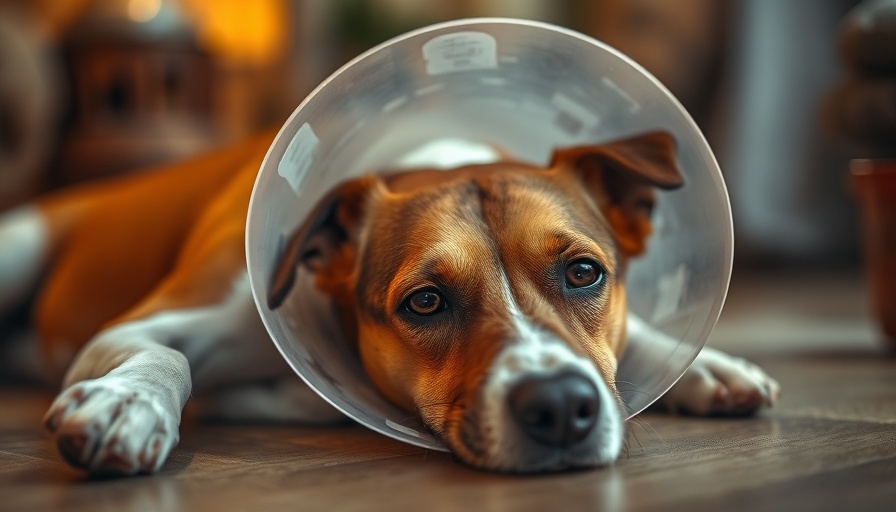
Dog recovering after surgery with a protective cone; guide on post-surgery care.

Understanding Post-Surgery Recovery for Dogs

When your beloved canine has undergone surgery, a cloud of relief often follows as they emerge from anesthesia. The immediate aftermath is a crucial time, as how you care for your dog during recovery directly impacts their healing journey. Most pet owners, preoccupied with the ordeal of surgery, often find themselves unprepared for the challenges of post-operative care. But fret not; with the right approach, patience, and a bit of love, you can ensure your furry friend returns to their playful self in no time.

The Importance of a Calm Environment

In the first few nights after surgery, it’s essential to create a low-activity environment for your dog. Expect them to be groggy, tired, and perhaps a bit disoriented due to the lingering effects of anesthesia. It’s common for dogs to feel exhausted, akin to waking up from a long sleep—your tranquility helps them settle in. Limiting their movement, enforced by a cone, can prevent any unnecessary strain on the healing incision.

Monitoring Your Dog's Health: The Urgency of Incision Care

Observing your dog's incision site is paramount. Normal signs include a clear, thin discharge for the first couple of days, but it’s vital to be aware of what constitutes an abnormal healing process. Red flags include excessive swelling, a foul odor, or significant bleeding. Meanwhile, bruising or slight redness around the incision might be evident, especially in light-colored dogs, and is generally not a cause for concern—but always keep in touch with your vet if you're uncertain.

Dealing with Digestive Changes Post-Surgery

Another common concern is the hesitation of your dog to poop after surgery. It's typical for dogs to go 4-5 days without defecating, particularly after they've experienced anesthesia, which can lead to constipation. Additionally, your dog's meal routine has been disrupted, leaving less food in the system to process. If your dog has not defecated after this period, it’s prudent to consult your vet. Gentle encouragement, like short walks around the yard, may aid in stimulating their digestive processes.

Providing Pain Relief and Comfort Measures

Medications prescribed post-surgery may include opioids or gabapentin, which can cause sedation. It’s normal for dogs to cope differently with these medications. While some may demonstrate increased energy, others may need a few days to adapt. Monitoring your dog for signs of pain can help determine the effectiveness of the prescribed medications. If your pet exhibits unusual behavior, consult your veterinarian to modify their treatment plan for optimal comfort.

Establishing a Daily Routine as Healing Progresses

As the days pass and your dog begins to regain strength and clarity, establishing a consistent routine can provide stability and reassurance. Controlled movement becomes key; short, supervised walks can help reintroduce them to their environment while encouraging gentle stretching of their muscles. Activities such as quiet play or short training sessions can also promote mental stimulation—always aligning activities with your vet’s recommendations to ensure safety.

Emotional Connection: Your Role In Their Recovery

The recovery process isn't just physical; it’s emotional too. Your presence and attention are invaluable. Engaging in calm, gentle interactions can foster a comforting environment. Petting them softly, calming words, or just being close can help soothe their anxious minds. Healing is a journey, and your dog depends on you for reassurance during this time.

Conclusion: Love and Patience are Key

Taking care of a dog after surgery is a comprehensive task that requires attention not just to their physical needs, but also to their emotional well-being. Monitoring their condition, addressing any concerns promptly, and providing a peaceful environment all contribute to a successful recovery. Your patience and love will go a long way in helping your furry friend heal and thrive.

Health & Wellness

Write A Comment

*
*
Related Posts All Posts
12.13.2025

Why Mental Health Support is Crucial for Veterinary Teams Today

Update Understanding the Emotional Toll on Veterinary Professionals The veterinary profession is often painted as a rewarding career where passionate individuals save the lives of beloved pets. Yet, the reality is a whirlwind of emotional and psychological challenges. Veterinarians and their teams are frequently exposed to the harsh realities of animal suffering, making their work both physically and mentally taxing. This is compounded by the pressures of long hours, high patient loads, and financial fears. It's not surprising that a staggering 82% of veterinarians face at least low to medium levels of burnout, and they experience alarmingly higher rates of exhaustion than the general working population. Changes in the Veterinary Landscape Post-Pandemic Since the COVID-19 pandemic, the mental health strains within the veterinary community have only intensified. With an increase in pet ownership, there has been a surge in demand for veterinary services but a corresponding shortage of qualified staff. This misalignment has put considerable stress on veterinary professionals, with many older veterinarians retiring and those remaining feeling the weight of larger patient loads. Veterinary teams now find themselves grappling not only with their patients’ needs but with their own mental health challenges as well. Breaking the Stigma Around Mental Health Historically, mental health has been a sensitive topic in the veterinary field, often shrouded in stigma. Fear of judgment from peers or clients can lead veterinarians to suffer in silence, further complicating their emotional wellbeing. However, recent years have seen a shift in this perspective, with more veterinary practices embracing open dialogues about mental health. Increasingly, veterinarians are recognizing the importance of seeking help; recent studies reveal that more practitioners are accessing counseling services, a vital step towards fostering a supportive workplace culture. Developing Supportive Clinic Cultures Creating a clinic environment that prioritizes mental health can significantly impact veterinary professionals' well-being. This entails establishing open communication channels where team members feel safe discussing emotional challenges without fear of stigma. According to the American Veterinary Medical Association, practices have observed that fostering such environments enhances job satisfaction and reduces turnover rates. Being proactive in this area is essential, as it creates a foundation for happy, productive teams who can provide the best care for their animal patients. Actionable Strategies for Mental Wellbeing For veterinary professionals battling mental health challenges, several effective strategies can help manage stress and improve overall wellbeing. It's imperative for professionals to regularly check in on their emotional state, set boundaries around working hours, and prioritize self-care practices like exercise and proper nutrition. Engaging with peers through support groups or forums can also alleviate feelings of isolation and empower them to share their experiences and coping strategies. Hope on the Horizon: Awareness and Resources The landscape of mental health awareness within veterinary practices is evolving favorably. Resources and support systems are becoming more abundant, aimed at addressing the emotional distress faced by veterinary professionals. With practices investing in employee assistance programs and mental health initiatives, there is a tangible improvement in addressing the psychological needs of veterinarians and their teams. The ongoing trend toward better work-life balance, supported by the introduction of programs aimed at combating burnout, offers promise for future generations in the veterinary field. Conclusion: Advocating for Mental Health in Veterinary Medicine The call to address mental health in veterinary medicine extends beyond individual practitioners; it reaches the core of veterinary practices and institutions. By normalizing discussions about mental health, creating supportive environments, and offering accessible resources, we can help ensure that the emotional burdens of this noble profession are met with compassion and understanding.

12.04.2025

Equine Influenza Breaks Down: Symptoms, Management, and Prevention for Horse Owners

Update Understanding Equine Influenza: An Overview Equine influenza, caused by the highly contagious equine influenza virus (EIV), is a respiratory disease that poses a significant threat to horses globally. Just as the flu virus impacts human populations, equine influenza can spread rapidly among horses, particularly in crowded settings like competitions and stables. Its rapid transmission through respiratory droplets highlights the need for vigilance among horse owners. Recognizing Symptoms and Diagnosing Influenza in Horses With symptoms such as coughing, nasal discharge, fever, and lethargy, equine influenza can often mimic other respiratory issues in horses. This commonality makes early diagnosis critical for effective treatment and management. A visit to a veterinarian is essential for confirmation, which can involve nasal swabs or blood tests. Making quick decisions based on symptoms is necessary to contain any outbreaks. Effective Treatment Strategies for Infected Horses Though equine influenza is rarely fatal and typically resolves within weeks, effective treatment is vital for a smooth recovery. Rest and hydration are core components of care, and horses may require anti-inflammatory medications to alleviate symptoms. Quarantine of infected horses becomes crucial during this process, allowing animals to recuperate without risking the health of their counterparts. Prevention is Key: Vaccination and Hygiene Practices The best defense against equine influenza is proactive prevention. Regular vaccination schedules, along with strict hygiene practices, can significantly reduce the chances of outbreak. Horse owners should ensure that new arrivals are quarantined and that all equipment is regularly disinfected. Additionally, having designated tools for individual horses can further cut down on cross-contamination risks. Social Responsibility: The Impact of Equine Influenza In managing an outbreak, horse owners must gauge the broader implications, including the economic burden incurred due to event cancellations and veterinary costs. Equine influenza doesn’t just affect the health of individual horses; it has wider repercussions forcommunities dependent on equestrian activities. Conclusion: Equine Influenza is a Community Concern Understanding and managing equine influenza is vital for every horse owner. By taking preventive measures, staying informed about symptoms, and promptly seeking veterinary help, we can protect not only our horses but the greater equestrian ecosystem. Let’s stand together to ensure our four-legged friends remain healthy and vibrant.

12.03.2025

Understanding Noise Phobia in Dogs: Insights for Concerned Owners

Update Understanding Noise Phobia in Dogs It's a common scene: a thunderstorm rolls in, and your dog starts pacing, whining, and seeking refuge under the couch. This behavior, while startling, might be a symptom of something more troubling known as noise phobia. Research indicates that nearly half of dogs may experience this condition, which is not merely a dislike of loud sounds but a profound, panic-induced response. What Exactly Triggers Noise Phobia? The sounds that commonly scare dogs include thunderstorms, fireworks, alarms, and even vacuums. These noises often exhibit characteristics such as being loud, repetitive, unpredictable, and difficult to escape, leading to heightened anxiety in sensitive pups. As per a study published in Veterinary Practice, pets can become hyper-sensitive and generalize their fear toward lesser sounds if left untreated. What Causes Noise Phobia? Understanding the origins of noise phobia involves considering various factors. Genetics play a part, with some breeds, particularly hunting dogs, showing less tendency toward noise aversion than others. However, early socialization is crucial—the earlier dogs are exposed to various sounds in a positive context, the less likely they are to develop phobias. Furthermore, older dogs or those suffering from pain may exhibit increased sensitivity to sound. Identifying Symptoms of Noise Phobia Symptoms of noise phobia can range from mild trembling and hiding to severe manifestations like destructive behavior, inappropriate elimination, or even self-harm. It's vital for pet parents to recognize these behaviors as symptoms of a phobia rather than mere aversion, as the reactions can become increasingly severe over time. How to Help Your Dog Overcome Noise Phobia Addressing noise phobia effectively often requires a multi-faceted approach: Environmental Management: Create a safe space in your home where your dog can retreat during stressful noise events. This could be a quiet room or a cozy crate. Desensitization Techniques: Gradually expose your dog to noise at low volumes and reward them for calm behavior, slowly increasing the volume over time. Products like sound CDs designed for desensitization can be beneficial. Medication: In extreme cases, short or long-term medications may be necessary to alleviate anxiety. Consulting with a veterinarian specializing in behavior can yield a personalized treatment plan. Counterconditioning: Pair positive experiences—like treats or playtime—with the occurrence of the feared sound to help alter your dog’s emotional response. The Importance of Patience and Consistency Successful treatment of noise phobia takes time and consistency. As noted in various veterinary resources, such as those from Vetster, the integration of behavioral training with environmental modifications and possibly medication offers the greatest path to recovery. Gradually helping your dog through these stressful situations helps build confidence without exposing them to overwhelming stimuli. Community Support and Resources For many pet owners, the challenges posed by a dog with noise phobia can feel isolating. Engaging with community resources, such as local veterinary offices or online forums, can provide crucial support and share effective strategies. Remember, the bond you share with your pet often grows stronger when you work through their fears together. Final Thoughts As dog parents, understanding and addressing noise phobia is essential for our furry family members' health and happiness. With patience and the right techniques, it's possible to reduce their anxiety and improve their quality of life. Every effort counts towards creating a more peaceful environment for both dog and owner.

Terms of Service

Privacy Policy

Core Modal Title

Sorry, no results found

You Might Find These Articles Interesting

T
Please Check Your Email
We Will Be Following Up Shortly
*
*
*