Add Row
Add Element
Pet Care Authority
Add Element
  • Home
  • Categories
    • Grooming & Hygiene
    • Adoption & Rescue
    • Products & Reviews
    • Health & Wellness
    • Nutrition & Diet
    • Training & Behavior
    • Lifestyle & Fun
    • Safety & Emergency Care
    • Trending Pets
March 19.2025
3 Minutes Read

Confronting Snake Mouth Rot: Essential Insights for Pet Owners

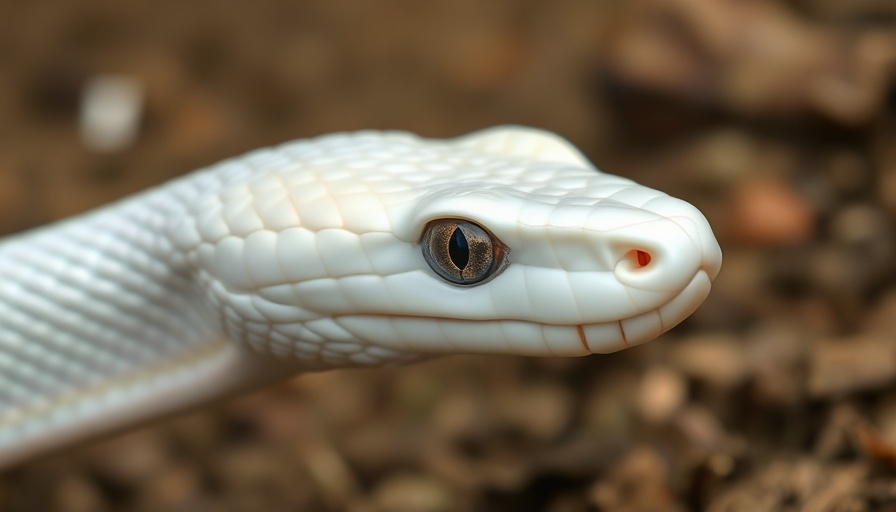
Close-up of a white snake's head showing scales, related to snake mouth rot.

Understanding Snake Mouth Rot: A Dire Concern for Pet Owners

Snake mouth rot, medically referred to as infectious stomatitis, is a serious health issue that can afflict snakes of all species. It manifests as a bacterial infection that can lead to severe symptoms such as pain, swelling, and significant difficulty in eating. If neglected, this condition can escalate to fatal levels. As a snake owner, arm yourself with knowledge and proactive care to help your pet fully recover. Most snakes can fully bounce back from mouth rot with the correct treatment approach.

What Is Snake Mouth Rot?

Essentially, mouth rot is an infection of the mouth caused by opportunistic bacteria that infiltrate through minor cuts or abrasions. Also labeled as ulcerative stomatitis or necrotic stomatitis, it commonly affects the gums, teeth, tongue, and even jaw bones of the affected snake. Species such as pythons and boas, which thrive in warm and humid environments, may be particularly vulnerable, especially if kept under suboptimal conditions.

Recognizing the Symptoms

Being observant is crucial when it comes to identifying the early signs of snake mouth rot. Subtle indicators at the outset can quickly develop into far more severe issues. Initial symptoms may include:

  • Loss of appetite
  • Excessive salivation or drooling
  • Swelling around the mouth
  • Red spots or blisters in the mouth
  • Unusual asymmetry in mouth and face

As the infection worsens, signs may become alarmingly apparent—with more severe complications such as tooth loss and systemic infections. This disease can quickly escalate to more critical conditions, including pneumonia, if left untreated.

Why Does It Occur?

Mouth rot is typically not a standalone disease but arises due to several interrelated factors that compromise a snake's health. Common culprits include:

  • Poor hygiene: Unsanitary conditions, like dirty enclosures and unclean water bowls, can propagate harmful bacterial growth.
  • Stress: Factors like improper temperature, insufficient hiding spots, or overcrowding can significantly weaken a snake's immune system.
  • Injury: Physical damage to the mouth can create entry points for bacteria, especially during breeding or when shedding.
  • Underlying health issues: Pre-existing health conditions, such as parasitic infections or malnutrition, can predispose snakes to infections like mouth rot.

The Importance of Veterinary Diagnosis

Should you suspect mouth rot, timely veterinary intervention is paramount. Reptile veterinarians will conduct thorough examinations, potentially sampling mouth discharge for cultural analysis to tailor the treatment to the specific bacterial strain. They may also recommend additional diagnostic tests such as blood work and X-rays to determine the infection's extent and rule out underlying health issues.

The Treatment Path

The journey to recovery typically involves a multi-faceted approach:

  • Antibiotics: These are prescribed to eliminate the offending bacteria. Treatment may be either oral, injected, or topical, depending on severity.
  • Debridement: In severe cases, veterinarians may need to remove dead tissue or, in extreme instances, operate on affected bones.
  • Supportive care: This can include fluid therapy, nutritional support, and pain management to ensure your snake's comfort during recovery.

The path to healing can span weeks to months, with diligent monitoring required. The prognosis improves significantly with early detection and aggressive treatment.

Preventing Mouth Rot: A Proactive Approach

The best remedy is prevention. Snake owners can adopt a series of practices to mitigate risks:

  • Maintain a clean environment: Regularly disinfect enclosures and water sources to limit bacterial growth.
  • Optimal habitat conditions: Ensure appropriate humidity and temperature settings, along with adequate hiding places to minimize stress.
  • Regular checkups: Frequent veterinary visits can help identify potential issues before they escalate into severe illnesses.

FAQs About Snake Mouth Rot

It’s crucial to enlighten yourself further regarding mouth rot. Here are some frequently asked questions:

  • Is mouth rot painful for snakes? Yes, it can be significantly painful, and seeking care swiftly is essential.
  • How common is this condition in ball pythons? Ball pythons are particularly susceptible under poor care conditions.
  • What does snake mouth rot look like? Symptoms include redness, swelling, discharge, and ulcers in the oral cavity.

By understanding the symptoms, causes, and management of snake mouth rot, pet owners and enthusiasts can better support their reptiles’ health and well-being. To secure your snake's health, maintain vigilance and proactive care in your reptile's environment and well-being.

As pet owners and enthusiasts, knowledge is your greatest ally. If you suspect a health concern in your snake, reach out for veterinary assistance as soon as possible. By taking these measures, you not only prolong your snake’s life but also ensure a happier, healthier pet.

Grooming & Hygiene

Write A Comment

*
*
Related Posts All Posts
09.30.2025

Discover the Benefits of Homemade Dog Food for Large Dogs

Update Delicious and Nutritious: Homemade Dog Food for Large Breeds Are you considering a switch from commercial dog food to a homemade diet for your large dog? You’re not alone! An increasing number of dog owners are discovering the benefits of crafting nutritious meals in their own kitchens. Homemade dog food allows you to provide a wholesome, natural diet that improves your furry friend’s health and vitality. The Joy of Cooking for Our Canine Companions Preparing food for your dog is not merely a chore; it’s a beautiful way to express love and care for a cherished member of your family. Many pet owners feel a deep repair connection when they prepare meals at home, knowing exactly what goes into their dog’s diet. Additionally, making larger batches of food means less time spent in the kitchen and more time bonding with your pet. Why Homemade Dog Food? Transitioning to homemade dog food is particularly essential for large breeds that require proper nutrition to support their size. According to Houndsy, about 70% of pet owners are concerned about the quality of the commercial dog food available. By preparing your own meals, you can control the quality of ingredients, adjust nutrition according to your dog’s needs, and avoid unwanted fillers or preservatives. Key Ingredients for Homemade Dog Food When creating homemade meals for your dog, it's vital to include a balanced proportion of proteins, carbohydrates, and fats. Here are some ingredients to consider: Proteins: Lean meats like chicken, turkey, beef, or lamb are essential. For organ meats, chicken liver and gizzards are great options. Carbohydrates: Brown rice, sweet potatoes, or oats provide a source of energy and fiber. Vegetables: Incorporate safe options such as carrots, green beans, and spinach to boost nutrition. Fats: Olive oil, fish oil, or flaxseed can enhance your dog’s coat and skin health. Benefits and Considerations of Homemade Dog Food While homemade dog food offers numerous benefits, such as better digestion, tailored nutrition, and potential cost savings, it requires careful planning and preparation. It's crucial to consult your veterinarian to ensure that your dog is receiving a well-balanced diet and to avoid common pitfalls. Getting Started: Simple Recipes for Large Dogs Let’s dive into a straightforward recipe for a large dog’s meal: Ingredients: - 3 pounds of lean ground beef or turkey - 1 cup brown rice (uncooked) - 2 carrots, shredded - 1 cup green beans, chopped - 1 cup spinach, chopped (optional) - 1 tablespoon olive oil - 2 eggs, beaten - 1 cup pumpkin puree (optional) - 2.5 cups water Instructions: 1. Cook the rice according to package instructions and set aside. 2. In a large pot, brown the meat over medium heat and drain excess fat. 3. Stir in the cooked rice, veggies, olive oil, and beaten eggs. 4. Allow to cool before serving. 5. Store leftovers in the fridge for up to 4 days. Transitioning to Homemade Meals When moving away from commercial dog food, do so gradually to minimize digestive disturbances. Start by replacing 25% of your dog’s existing food with homemade meals, increasing to 50% in the second week, and so on until the transition is complete. Monitor for Health and Nutrition While your pet adapts to homemade meals, keep an eye on energy levels, coat condition, and stool quality. Healthy dogs will usually exhibit good energy and firm stools. As you integrate homemade food, consider using supplements if recommended by your vet to cover any potential nutritional gaps. The Satisfaction of Tailored Nutrition In the end, preparing homemade dog food not only enriches your dog’s diet but also the bond you share. With every meal, you’ll know you are nurturing your furry friend with love and high-quality ingredients. FAQs About Homemade Dog Food Got questions about switching to homemade dog food? Here are some common inquiries: Can I vary the meats in my recipes? Absolutely! Just be cautious about allergens. How long can I store leftovers? Homemade food generally keeps for about four days in the refrigerator or longer in the freezer! For those inspired to make the switch, dive into this rewarding journey with your large dog. You’ll foster healthier habits and strengthen your bond!

03.26.2025

Why Mac and Cheese Isn't Safe for Your Dog: Expert Insights

Update Can Dogs Eat Mac and Cheese? The Short Answer is Mostly No! As a loving dog owner, encountering those soulful puppy eyes while you enjoy a plate of mac and cheese can be heart-wrenching. It’s an all-time favorite comfort food for many families, but is it safe for your best furry friend? The quick answer is no, dogs shouldn't indulge in macaroni and cheese. While they can manage a small bite without immediate danger, the long-term implications are concerning. What's Inside Mac and Cheese? The complexity of macaroni and cheese goes beyond just macaroni and cheese sauce. The essential ingredients typically include macaroni noodles, butter, flour, milk, cheese, and assorted seasonings. While these components create a delectable dish for humans, they pose several health risks for dogs. Macaroni is a type of grain that is not suited for dogs, particularly those with gluten sensitivities. Furthermore, dairy products used in the dish can cause digestive issues in lactose-intolerant pooches. The Dangers of Feeding Your Dog Macaroni and Cheese These ingredients can lead to various health problems when shared with our canine companions. Here's a rundown of the risks: Weight Gain and Obesity: The high carbohydrate and fat content can lead to gradual weight gain, making your dog susceptible to obesity-related health problems. Digestive Issues: Dogs are not designed to digest pasta and sometimes struggle with dairy, resulting in stomach pain, vomiting, or diarrhea. Diabetes Risk: Regular consumption of high-carb foods can lead to an increased risk of diabetes, as their bodies aren't efficient at processing sugars. Gut Sensitivities: Ingredients like excessive salt or artificial flavorings can exacerbate existing health conditions in dogs. What Should You Do if Your Dog Eats Mac and Cheese? If you accidentally let your dog sneak some mac and cheese, don’t panic! Monitor them for any signs of distress such as vomiting, lethargy, or unusual behavior. A small bite might not lead to immediate complications, but it's essential to prevent future incidents. Alternative Treats for Your Pup So if mac and cheese is off the table, what alternatives can you provide that still feel like a treat for your dog? Here are a few healthier options: Plain Cooked Pasta: A small amount of plain, cooked pasta (without sauce or seasoning) can be a safe indulgence. Steamed Veggies: Carrots, green beans, or sweet potatoes offer a nutritious, crunchy delight. Specialized Dog Snacks: Invest in dog treats made specifically for canine dietary needs, ensuring flavor and safety. Fun Ways to Make Dog Treats Feel Special Just because dogs shouldn’t have mac and cheese doesn’t mean they can’t enjoy their meals! You can create fun and engaging alternatives tailored just for them. Consider making homemade dog treats, or adding some chicken or beef broth over their dry food for added excitement. Engage your pup's senses—using texture and taste to create a delightful mealtime experience can enhance your dog's overall enjoyment! Time to Reassess Fido’s Diet Understanding your dog's nutritional needs is vital in creating a happy, healthy lifestyle for your pet. Transitioning into a diet that avoids harmful ingredients can maximize their health and longevity. Monitor any new foods introduced to ensure that they respond well. Always consult with a veterinarian if in doubt. Final Thoughts As a responsible pet owner, knowing what foods to avoid is just as crucial as knowing what to include in your dog’s diet. While mac and cheese might be a delightful treat for you, it’s wise to stick to healthier alternatives for your furry friend. The next time you’re digging into this comforting dish, remember to choose a safe treat for your dog instead!

03.26.2025

Learn Why Your Dog Scratches His Bed: 7 Key Reasons Explained

Update Unraveling the Mystery Behind Your Dog's Bed-Scratching Behavior Every dog owner has encountered those amusing yet puzzling moments when their furry friend scratches at their bed. What seems like a quirky trait might have deeper roots in canine behavior. Understanding why your dog scratches his bed not only clarifies their instincts but also improves their comfort and overall well-being. Why Do Dogs Scratch Their Bed? 7 Insightful Reasons Dog scratching behaviors can often be traced back to ancestral habits, territorial instincts, and even emotional states. Here are seven common reasons that might explain why your dog participates in this fascinating behavior: 1. Echoes of Ancestral Behavior When we think about why dogs scratch their beds, we can't overlook their wild ancestors. In nature, dogs, particularly terriers or hounds, would dig and scratch to create a comfortable sleeping area or to uncover prey. This instinct still resides in them today. So, when you notice your dog scratching, he may simply be channeling his primal ancestors, adjusting his bed for comfort much like his wild relatives did. 2. Manifestation of Territorial Behavior Dogs are inherently territorial animals. They use various methods to assert ownership, one of which includes scratching their bedding. Each scratch can leave a scent from glands in their paws marking the bed as their own. If you have multiple dogs, this behavior may increase as they claim their spot in a competitive environment. 3. Responding to Stress or Anxiety Just like humans, dogs can experience stress and anxiety, and their scratching behavior might be a response to these feelings. Signs such as dilated pupils and tucked tails indicate distress. If scratching becomes excessive, especially at bedtime, your dog may feel insecure or anxious about their sleeping environment. Identifying these triggers becomes essential for easing their stress. 4. Comfort Seeking Rituals For many dogs, scratching isn’t just about marking territory or displaying their ancestry behaviors. It can also be a soothing ritual. This behavior helps them arrange their bedding just right before sleep, much like how we fluff our pillows. Many pet owners notice their dogs seem more relaxed after they’ve scratched and settled in, making the behavior an important aspect of their nighttime routine. 5. Seeking the Right Temperature Dogs also scratch to find a comfortable sleeping spot temperature-wise. In colder climates, wild dogs would dig to create a warmer environment. Thus, if your pet scratches their bed, it may be their instinct telling them they need to regulate their temperature, either seeking warmth or airflow. A dog’s bed should meet their needs for comfort and temperature balance. 6. Playful Exploration and Boredom Sometimes, a dog's scratching behavior stems from boredom. Dogs require mental stimulation and physical exercise. If they don’t receive enough, they may improvise by scratching at their beds out of sheer curiosity or playfulness. Providing engaging toys or interactive playtime can divert their attention and curb this kind of scratching. 7. Health Issues In some cases, excessive scratching can indicate underlying health problems. Skin irritations or discomfort caused by allergies can prompt a dog to scratch their bed frequently. If there’s a notable change in your dog's scratching behavior, consider consulting with a veterinarian to rule out any medical concerns affecting their comfort. Future Insights: Understanding and Addressing Scratching Behavior With the knowledge provided above, pet owners can better understand and manage their dog's scratching behaviors. It's crucial to observe any patterns, triggers for stress or anxiety, and changes in habits that could indicate health issues. Each dog is unique, and knowing the reasons behind their actions enables owners to provide the best care possible. Practical Tips to Manage Scratching Behavior To help minimize excessive bed-scratching, consider the following actionable insights: - Maintain a consistent sleep routine for your dog; consistency builds comfort. - Introduce calming techniques such as a cozy blanket or an anxiety-reducing toy. - If scratching seems habitual, it may help to reinforce positive behaviors through training techniques, redirecting them when they start scratching unnaturally. Conclusion: Understanding Your Dog is Key Recognizing and addressing the reasons behind your dog’s bed-scratching behavior enhances their comfort and strengthens your bond. Provide your pet with a secure environment, fulfilling their needs for comfort, companionship, and stimulation. Remember, understanding your dog’s behavior is an ongoing journey; stay curious and attentive to your furry friend’s needs.

Terms of Service

Privacy Policy

Core Modal Title

Sorry, no results found

You Might Find These Articles Interesting

T
Please Check Your Email
We Will Be Following Up Shortly
*
*
*