Add Row
Add Element
Pet Care Authority
Add Element
  • Home
  • Categories
    • Grooming & Hygiene
    • Adoption & Rescue
    • Products & Reviews
    • Health & Wellness
    • Nutrition & Diet
    • Training & Behavior
    • Lifestyle & Fun
    • Safety & Emergency Care
    • Trending Pets
October 31.2025
3 Minutes Read

Exploring the Decline of High Processed Pet Food Sales in the US

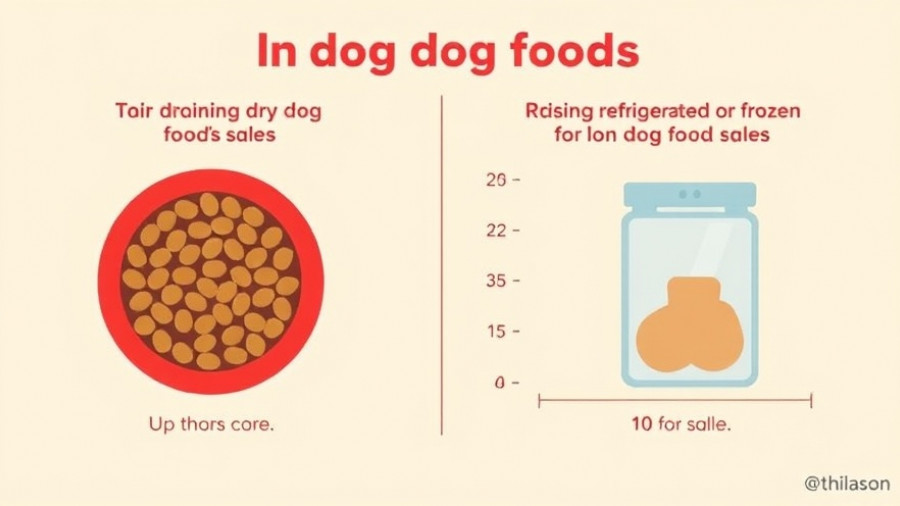
Graph showing high processed pet food sales decline and rising refrigerated food sales.

The Shift in Pet Food Preferences: Understanding the Declines

In recent years, there has been a significant shift in pet food purchasing habits among American consumers. Recent reports highlight a decline in sales for high-processed dry pet food while an upward trend emerges in demand for refrigerated and frozen pet foods. Notably, refrigerated and frozen pet food sales surged by 17.8% compared to the previous year, indicating a shifting preference toward quality and possibly healthier options. As pet parents become increasingly conscious of what goes into their pets' bowls, it’s essential to delve into the factors motivating these changes.

Why Are Dry Dog Food Sales Declining?

The numbers are telling: sales of dry dog food fell by 2.9% in the past year, notably among leading manufacturers like Purina and Mars Petcare. This decline raises questions about the overall perception of the quality of kibble and the ongoing trend of pet food humanization, where owners are opting for products that mimic human food in terms of quality and nutrition. With only a few categories seeing stable sales, like dry cat food—which increased by 3.3%—the contrast highlights a market dynamic where the quest for healthier options may take precedence.

Consumer Knowledge: A Game Changer

Pet owners today are more informed than ever. With resources available to educate themselves about pet nutrition, they are seeking brands that prioritize quality ingredients. It’s not just about filling their pets’ bowls; it’s about ensuring what they serve is nutritious and safe. Questions about the sources of ingredients and whether they are truly human grade are now topics of discussion among conscientious pet owners. This shift points toward a broader awareness surrounding not just pet ownership but exceptional pet care.

Refrigerated and Frozen Trends: What’s Driving Growth?

The rise of the refrigerated and frozen pet food category can be attributed to several factors. The appeal of fresh, raw, and minimally processed ingredients resonates with health-conscious consumers who understand the importance of providing their pets with nutritious meals. This trend aligns with the growing demand for human-grade pet food, which allows for transparency regarding ingredients, offering peace of mind to pet parents.

Local vs. Global Trends: Analyzing the Impacts

The contrast between local purchasing habits and global sales trends is striking. While globally, pet food sales are estimated to increase modestly, the United States specifically sees a unique trend towards healthier, less processed options. As data suggests US households maintain high pet ownership rates, exceeding 71%, pet parents are becoming increasingly discerning about products, sparking a local desire for fresher options. This divergence can guide manufacturers in developing their marketing strategies to cater specifically to these local demands.

The Future of Pet Food: Predictions and Insights

As we look towards the future of the pet food market, certain trends are poised to become more pronounced. Customers may increasingly seek out subscription services for premium pet food, greater transparency about sourcing, and brands that promote sustainability. Additionally, as younger generations emerge as leading pet owners—especially Millennials and Gen Z—companies will need to evolve their products and branding strategies to resonate more with these informed consumers looking for value in both quality and ethical considerations.

Making Informed Choices: A Key Takeaway

Ultimately, pet owners must stay informed and vigilant as they navigate the evolving landscape of pet food choices. Engaging with brands that guarantee human-grade ingredients and demonstrate ethical practices will become foundational standards for responsible pet ownership. With these consumer-driven changes, the pet food industry encounters both challenges and opportunities ahead.

In a world with increasing options, the choice for pet owners will lean more towards those who can deliver quality, safety, and transparency - a winning combination that enhances the bond between humans and their pets.

Nutrition & Diet

Write A Comment

*
*
Please complete the captcha to submit your comment.
Related Posts All Posts
03.27.2026

Is Menadione Sodium Bisulfite Complex Safe for Your Pet’s Diet? Understanding Its Role and Risks

Update Understanding Menadione Sodium Bisulfite: A Dual Role in Pet Nutrition Menadione Sodium Bisulfite Complex (MSBC) has become a focus of debate among pet owners and nutritionists alike, primarily for its controversial presence in pet food products. While this ingredient serves as a synthetic source of vitamin K, it raises questions regarding its legal status and safety in canine and feline diets. Surprisingly, MSBC is legally sanctioned only for poultry, yet many pet foods include it without any regulatory action against manufacturers. The Complex Nature of Menadione Sodium Bisulfite Menadione is a synthetic form of vitamin K3 that has been integral in preventing vitamin K deficiencies among various species of animals. Its stability during storage and processing places it at an advantage over natural sources of vitamin K. However, concerns have arisen regarding its use in dog and cat diets, noting that while the FDA and AAFCO recognize its safe usage, they have yet to amend its legal classification for pets. FDA and AAFCO's Regulatory Discretion Explained Upon inquiry, the FDA noted their lack of any apparent safety concerns regarding the inclusion of MSBC in pet food, provided that it is manufactured in accordance with good practices. Furthermore, AAFCO has convened expert panels that recommend safety for all animals, yet they have still abstained from officially approving MSBC for pets. Why this hesitance exists is a point of puzzlement, especially as numerous stakeholders are aware of its ongoing unregulated use. Why Nutritional Choices Matter: Understanding the Safety Rationale The link between vitamin K deficiency and serious health implications, such as impaired blood coagulation, underscores the importance of this nutrient in a pet’s diet. A deficiency could lead to excessive bleeding in pets, raising substantial health risks. Given the critical role of vitamin K, the utilization of MSBC remains primarily focused on prevention. Notably, natural sources like leafy greens are not always feasible in commercial pet foods, making MSBC a practical, albeit contentious, alternative. Possible Health Implications: What Pet Parents Should Know While the evidence indicates a safety profile when used in low amounts, potential side effects from excessive intake have been a point of concern. Critics often point towards human studies that raise issues such as allergic reactions or oxidative stress but lack significant data on toxicity within a pet food context. Nonetheless, pet owners should remain vigilant regarding the ingredients they select for their pets. A Call for Change: Advocating for Transparency in Pet Nutrition It's essential for pet food manufacturers and regulatory bodies to enhance transparency regarding ingredient use. One such step would involve updating MSBC's legal status to reflect its safety and appropriateness for pets. As consumers become increasingly aware of ingredient integrity, the expectation for transparency and accountability grows stronger. Your Pet’s Health: Making Informed Decisions Ultimately, understanding the implications of ingredients like Menadione Sodium Bisulfite Complex empowers pet owners to make informed decisions. Engaging in dialogue with veterinarians and nutritionists can provide personalized insights tailored to specific pets before making changes in diet. Conclusion: The Future of Pet Nutrition The discussion surrounding MSBC encapsulates a larger conversation about the complexities of pet nutrition and regulatory policies. As standards evolve and more research emerges, it is vital for pet owners to remain proactive and informed about their pets’ diets. Let’s advocate for safer, transparent future practices in pet food formulation.

03.24.2026

Why Farmer’s Dog is Leading The Charge Against Misleading Pet Food Claims

Update Farmer’s Dog Takes Charge in Pet Food Regulation In an unprecedented turn of events, the pet food company Farmer’s Dog has taken it upon itself to address misleading advertising practices in the pet food industry. The company's recent complaint to the BBB National Programs’ National Advertising Division (NAD) resulted in a ruling requiring competitor Freshpet to cease making claims implying that its dog food is 'human grade.' This act of corporate activism has raised important questions about the regulatory landscape of pet food and the responsibilities of various authorities, including the FDA. The Stand Against Misinformation Farmer’s Dog highlighted that certain video advertisements circulated by Freshpet suggested that its dog food was of the same quality as human food. A prominent ad features a dog owner expressing the desire to provide their pet with “fresh, real food,” a statement that has now been scrutinized for its accuracy. The NAD found that these claims misled consumers about the product's safety and quality, prompting a vital discussion on the transparency and accountability of pet food marketing. The Regulatory Oversight Dilemma For many years, it has been evident that regulatory bodies like the FDA and AAFCO have not sufficiently enforced existing regulations governing pet food labeling. The Federal Food, Drug, and Cosmetic Act lays out strict requirements for what can be labeled as 'human grade' pet food, yet there have been numerous complaints about misleading labels. With claims of chicken or beef depicted on packaging, consumers are often left with the impression that these ingredients are present and of high quality when that may not be the case. Pet food experts emphasize that misleading labeling tactics can lead to mistrust among consumers. As Susan Thixton, a pet food safety advocate, stated, the regulatory authorities have failed to protect the consumers against misleading messaging in the pet food sector, thus paving the way for companies like Farmer’s Dog to take action. The Implications for Pet Owners For pet owners, the implications of these regulatory nuances are significant. As more consumers seek out fresh and healthy options for their pets, understanding what qualifies as 'human grade' or safe is essential. Many pet owners assume that if a product claims it is 'human grade', it fully complies with food safety standards. However, without stringent enforcement of these standards, it becomes a challenge to ensure that their furry friends receive truly nutritious offerings. Looking Ahead: Changes Needed for Pet Food Safety While Farmer’s Dog has stepped up to ensure that misleading claims are addressed, it is clear that a broader change is required within the regulatory landscape of pet food. Continuous consumer advocacy and lobbying for tighter regulations and consistent enforcement are essential to safeguard the health of pets everywhere. Industry transparency must become a priority, ensuring that what’s advertised aligns with what’s in the package. How to Make Informed Decisions for Your Pets As a responsible pet owner, it is crucial to stay educated on pet food labels and practices. Here are a few tips to help navigate the overwhelming number of options available on the market: Research Pet Food Brands: Look into brands that offer transparency about their ingredient sourcing and manufacturing practices. Read Labels Carefully: Always check ingredient lists and ensure that claims made on the packaging are corroborated by the ingredient list. Stay Informed: Follow reputable pet food blogs and advocates like Susan Thixton to understand emerging pet food safety topics and industry changes. Conclusion: The Road to Safer Pet Food As the pet food industry evolves, so too must the regulatory practices that oversee it. Farmer’s Dog has taken a commendable step in advocating for safer, more truthful advertising, but it is only the beginning. The responsibility now lies with consumers to make informed choices and support brands that prioritize the health of pets above profit. Educating yourself about pet food safety can help ensure that your furry friends are receiving the best nutrition possible.

03.19.2026

FDA's Recent Decision Not to Enforce Law Raises Concerns for Pet Owners

Update FDA's Inaction: What Does It Mean for Pet Owners?After 1,333 long days of measured inaction, the FDA has announced it will not enforce compliance with a critical law regulating pet food safety. This decision has sent ripples through the pet-owner community and the broader scope of animal health regulations. The implications are significant—raising questions not only about pet food safety but also the FDA's commitment to animal welfare.Understanding the Regulatory Framework Surrounding Pet FoodThe Federal Food, Drug, and Cosmetic Act (FD&C Act) plays a central role in how pet food is perceived and regulated in the United States. This act stipulates that the FDA is responsible for ensuring that all food for both humans and animals is safe. It emphasizes that pet food must not only be free from harmful substances but also produced under rigorous sanitary conditions. As such, when the FDA fails to enforce these regulations, it poses a considerable risk to the health and safety of pets.The Impact of FDA's Decision on Pet OwnersPet owners often rely heavily on FDA regulations to guide their purchasing decisions, trusting that the products on the shelves are safe and beneficial for their companions. With the recent announcement, many now feel uncertain about what they are feeding their pets. Advocacy groups are urging consumers to question the safety of their current pet food and to stay informed about ingredient sourcing and potential health risks.Charting a Path Forward: Legislative Responses and Consumer ActionIn the wake of the FDA's decision, several legislative initiatives aim to reform pet food regulations. The Pet Food Uniform Regulatory Reform Act (PURR Act) seeks to bring clarity and safety to pet food ingredient standards. Supporters argue that comprehensive legislation is vital for safeguarding animal health while countering criticism from state regulators concerned about diminished local oversight. In this chaotic regulatory environment, consumers also need to become proactive about their pet food choices.Engagement Through Education: The Importance of AdvocacyEducating oneself about pet food regulations and actively engaging with advocacy groups can lead to positive changes in the industry. Consumers can reach out to local representatives, participate in community forums, and share experiences to push for reform. As noted in recent discussions, the FDA is also looking to establish partnerships with state agencies for better oversight, suggesting a potential pathway for enhanced regulatory practices moving forward.Looking Ahead: Trends and Predictions for Pet Food SafetyThe future of pet food safety may hinge on increasing consumer demand for transparency and higher standards. With the rise of informed pet owners who prioritize health and nutrition, there exists an opportunity for brands to take the initiative and elevate their practices. Legislative changes and improved regulatory measures could foster a safer environment for pets, aligning with contemporary trends of greater consumer interest in wellness and holistic care.

Terms of Service

Privacy Policy

Core Modal Title

Sorry, no results found

You Might Find These Articles Interesting

T
Please Check Your Email
We Will Be Following Up Shortly
*
*
*